
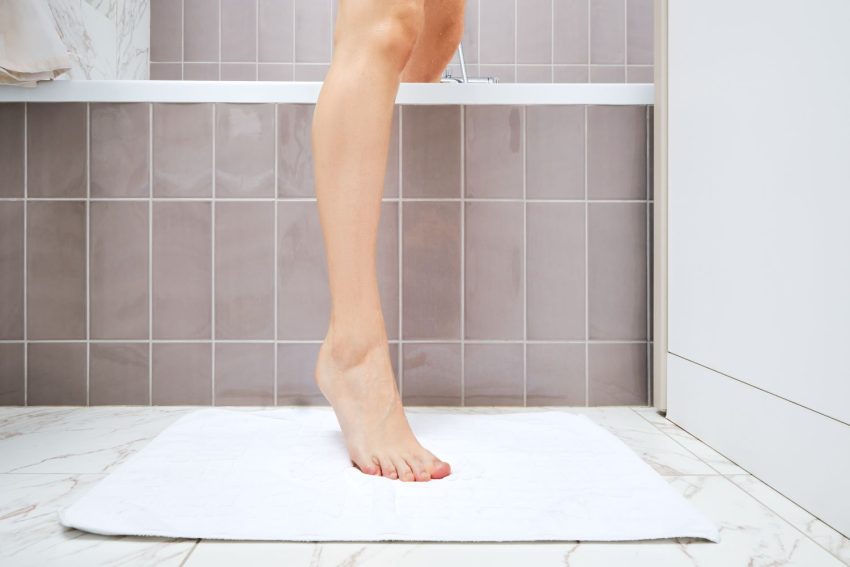
We all know the one-second slip that can change a day, or worse. A reliable non-slip bath mat is a small investment that prevents falls, protects vulnerable family members, and keeps our bathrooms feeling secure. In this guide we explain why non-slip bath mats matter, compare the main types, walk through safety standards and installation, and give practical maintenance and buying tips so you can pick a mat that actually performs where it counts.
Why Non-Slip Bath Mats Matter
Bathrooms are one of the highest-risk places in the home for slips and falls. Water, soap, shampoo residue, and smooth tile or tub surfaces create a perfect storm. Non-slip bath mats reduce that risk in two ways: they increase friction underfoot and they provide visual and tactile cues (different texture, color) that prompt us to step more cautiously.
From a practical standpoint, a good non-slip bath mat:
- Reduces fall risk for children, seniors, and anyone with mobility issues.
- Protects flooring from water damage when placed outside the tub or shower.
- Improves comfort and warmth under bare feet, especially on cold tile.
But not all ‘non-slip’ mats are created equal. Some fail after a few months because the backing delaminates, suction cups lose grip, or mold and mildew make them hazardous rather than helpful. Our aim here is to help you pick and maintain a mat that actually works long term, not merely looks attractive on the product page.
Types Of Non-Slip Bath Mats
There are several common categories of non-slip bath mats. Each has trade-offs in grip, comfort, drying speed, and maintenance. Below we break down construction and use-cases so you can match the mat to your bathroom and household needs.
Common Materials And Construction
Most bath mats fall into a few material groups: rubber or PVC, microfiber, memory foam with anti-skid backing, cork or bamboo hybrids, and woven natural fibers treated for grip. Construction matters: a single-piece molded rubber mat will behave differently than a fabric mat glued to a rubber backing. We recommend thinking about where the mat will live (inside the tub, on tile, next to a walk-in shower) before choosing the material.
Suction Cup And Rubber-Backed Designs
Suction-cup mats and rubber-backed mats are the go-to for inside tubs or on smooth shower floors. Suction cups create mechanical adhesion to a clean, non-textured surface. Rubber-backed fabric mats rely on friction between the rubber and floor. Advantages: immediate, strong grip on compatible surfaces and good durability. Downsides: suction loses effectiveness if the surface is textured, or if soap film builds up: rubber can degrade or stiffen over time.
Microfiber And Quick-Dry Options
Microfiber mats prioritize absorbency and comfort. Many have a non-slip rubber or silicone backing. They’re excellent outside the shower to soak up water and reduce puddling, and they feel soft underfoot. Quick-dry designs use raised weave or perforated backings to accelerate evaporation. Microfiber mats are machine washable, which is a huge plus for hygiene, but check that the backing is durable enough to withstand repeated washing.
Natural-Fiber And Hybrid Mats
Cork, bamboo, and treated cotton blends appeal to buyers seeking natural materials or a premium look. Cork naturally resists moisture and has some grip, while bamboo slats encourage airflow and quick drying. Hybrids combine a decorative natural top with a rubberized non-slip backing. These can be attractive and functional, but make sure the backing is non-toxic and that the mat won’t warp with repeated wetting.
Safety Standards, Ratings, And Testing
Safety certifications and objective testing give us more confidence than marketing claims alone. Look for mats that reference testing to standards like ASTM slip-resistance tests or EN (European) classifications for slip resistance. Retail listings that include static and dynamic coefficient of friction (COF) values are especially useful: higher COF numbers indicate better traction.
Third-party lab testing helps verify suction performance, aging (UV and heat resistance), and resistance to common household chemicals (soap, shampoo). For homes with seniors or mobility-impaired users, prioritize products with explicit anti-slip ratings or that have been recommended by occupational therapists or home-safety organizations.
We also check product reviews for real-world failure modes: suction cups losing hold, rubber backing peeling, and persistent mildew. Reviews often reveal issues that lab tests don’t capture, such as how a mat performs on lightly textured tile or a fiberglass tub.
How To Install And Position A Non-Slip Bath Mat
A non-slip mat will only protect us if we place and maintain it correctly. Installation is straightforward, but a few presteps make a big difference in long-term adhesion and safety.
Preparing And Cleaning The Floor Surface
Before installing, clean the tub or floor thoroughly. Soap scum, body oils, and mineral deposits reduce suction and friction. Use a mild abrasive cleaner or a vinegar solution to remove buildup, then rinse and dry fully. For suction-cup mats, press down firmly across the mat to expel trapped air and maximize contact. Re-clean the surface every few weeks or anytime grip seems diminished.
Placement Tips For Showers, Tubs, And Outside The Bath
- Inside showers/tubs: center the mat where we stand most often, avoiding drain obstruction. Leave gaps around edges if the manufacturer warns about blocking overflow drains.
- Outside the bath: place the mat aligned with the shower door or tub lip so water drains onto it, not beside it. Use a mat with high absorbency or quick-dry features in humid bathrooms.
- For walk-in showers and tiled floors with grout lines, consider rubber-backed mats with textured bottoms rather than suction cups, suction cups work poorly on heavily textured surfaces.
We also recommend testing placement: step on the mat from a natural entry point and mimic typical movements (turning, stepping) to ensure it stays put.
Maintenance And Cleaning Best Practices
An effective non-slip bath mat stays effective only with proper care. Failure to clean and dry mats regularly is the main reason they become slippery, smelly, or unsafe.
Machine Washing, Spot Cleaning, And Drying
Check the care label first. Many microfiber mats are machine washable on gentle cycles and can be tumble-dried low: rubber or suction-cup mats usually need hand washing. For rubber-backed fabric mats, wash the fabric portion and rinse the backing to remove residue. Avoid high heat on rubber components, it can warp or degrade the non-slip surface.
Preventing Mildew, Mold, And Odors
To inhibit mold, we recommend hanging mats to dry after each use when possible. For mats that live inside the tub, remove them after showering to allow both the mat and tub surface to air dry. Periodic deep cleaning with a diluted bleach solution (follow product instructions) or vinegar and baking soda can remove lingering mildew: always rinse thoroughly.
For persistent odors, soak the mat in a solution of warm water and white vinegar for 30–60 minutes, then wash and air dry. If the odor persists after thorough cleaning, it’s often a sign that the backing has degraded and replacement is the safer choice.
Repair, Replacement, And When To Discard A Mat
We repair only minor issues: a few suction cups replaced or a torn edge hemmed. Replace the mat when the backing peels away, suction cups no longer hold even though cleaning, or mold has penetrated foam or fabric and won’t fully clean. As a rule of thumb, expect 1–3 years of reliable service depending on material and use: low-cost mats often need earlier replacement.
How To Choose The Right Non-Slip Bath Mat (Buying Guide)
Choosing the right non-slip bath mat means balancing safety, comfort, and maintenance. We walk through the key factors to evaluate before buying.
Sizing, Thickness, And Comfort Considerations
Measure the footprint where the mat will live. Mats that are too small create trip hazards: oversized mats can bunch up. Thickness adds cushion, but very thick foam mats may retain water and dry slowly, not ideal for humid bathrooms. For inside tubs, pick a mat sized to the standing area: for outside the shower, choose a size that catches most water from a typical exit path.
Traction Features, Edge Design, And Drainage
Look for raised patterns, textured surfaces, and perimeter grips that channel water away from the edges. Drain holes or perforated designs prevent puddling and speed drying. Anti-curl edges are a small but important feature, curled edges can snag and cause trips.
Allergy, Eco, And Accessibility Considerations
If anyone in our household has chemical sensitivities, avoid mats with strong rubber or chemical odors and pick materials labeled low-VOC or phthalate-free. For eco-minded shoppers, cork, bamboo, or natural cotton options reduce synthetic plastic use, but confirm their backing is sustainably sourced or recyclable. For accessibility, choose mats with firm, predictable traction and high-contrast colors to aid users with limited vision.
Budget And Value: What To Expect At Different Price Points
- Budget ($): Basic suction-cup or thin microfiber mats, fine for temporary use but prone to faster wear.
- Mid-range ($$): Durable rubber-backed microfiber or molded rubber mats with better suction and longer-lasting backing. Good balance of price, performance, and washability.
- Premium ($$$): Natural-material hybrids, designer cork or bamboo mats with high-quality non-slip backings, or medical-grade anti-slip mats recommended for high-risk users. Expect longer life, better materials, and clearer safety testing.
We generally recommend a mid-range purchase for most households: it’s affordable and will provide reliable traction and washability without frequent replacement. For high-risk situations (seniors, recent injuries), spend a bit more on certified, medical-grade options.
Conclusion
A bath mat non slip is a small change that delivers outsized safety benefits. We’ve found that the best-performing mats combine reliable traction, quick-dry properties, and easy cleaning rather than relying solely on attractive design.
When choosing, prioritize proven traction (look for COF values or third-party testing), pick a material suited to the mat’s location, and maintain it with regular cleaning and drying. Replace mats when backing fails or mold persists. Follow these practical steps and you’ll minimize slips, extend the mat’s useful life, and keep your bathroom safer for everyone.